
I’ve been wanting to write this blog post since April this year, when I returned home from a very balanced digital nomad life and went straight into seven different projects.
I’m actually writing it from a rather bougie restaurant on the last evening of a working trip abroad. It was intended as a rest break in the sun to celebrate finishing a project, before I go into super rehearsal and promotion mode for The Year Dot.
It ended up being almost as much work as in Brighton, UK. The main difference was swimming in the sea daily in September. I rested as much as possible though and even allowed myself a night of partying and an evening BBQ with friends.
If this was life it would be a good one.
And maybe that’s why I’m taking this evening to reflect, and I’m ordering that extra glass of bubbly. When you’ve been working flat out for ages and then you get a moment, you want to prolong that moment. So you have one too many wines, or chocolates, or (insert your poison here) whatever it takes to relax.

Especially as a self-employed creative, the balances are already somewhat predicted for you by the work coming in. It feeds perfectly into the binge-work and burnout cycle felt by many. Enter AuDHD and any other reasons why the burnout cycle is exceptionally prevalent. We can be left feeling like we spend all the money we make looking after ourselves during the burnout and replenishing ourselves to dive straight back in again.
So, what can we do?
- Schedule True Days of Rest – Give yourself permission to take complete rest days. Turn off your notifications and remove work thoughts entirely. Your mind needs full downtime to recover properly.
- Practice Gentle Self-Care in Moderation – Treat yourself kindly during recovery. Enjoy a piece of chocolate or a glass of wine without feeling guilty. Balance and moderation are key to long-term sustainability.
- Visualise Your Schedule with Digital Calendars – Use Google Calendar or a similar tool to block off dedicated non-working hours. Assign distinct colours to work, rest, and personal life. Consequently, you will quickly spot schedule imbalances and adjust your workload before hitting a wall.
- Incorporate Therapeutic Rest and Meditation – Daily meditation and therapeutic rest calm an overstimulated nervous system. Prioritise these quiet moments daily to maintain baseline energy levels.
- Stop “Balancing the Books” on Recovery – Avoid calculating the financial cost of your recovery against your earned income. Comparing recovery expenses to project fees creates unnecessary guilt and disheartenment. Focus on your well-being first.

I find seeing the body as a battery helpful for energy/rest pacing – you put in nutrients and minerals, sun, water, oxygen, etc and it transforms them into the ability to complete tasks and activities.
But you can put unseen things into the body and it can give you unseen brain chemicals like oxytocin, serotonin and dopamine (you’ve probably heard of them – happy hormones). You can give your body & brain walks, swims, meditation, good will, helping your peers, creativity, etc…
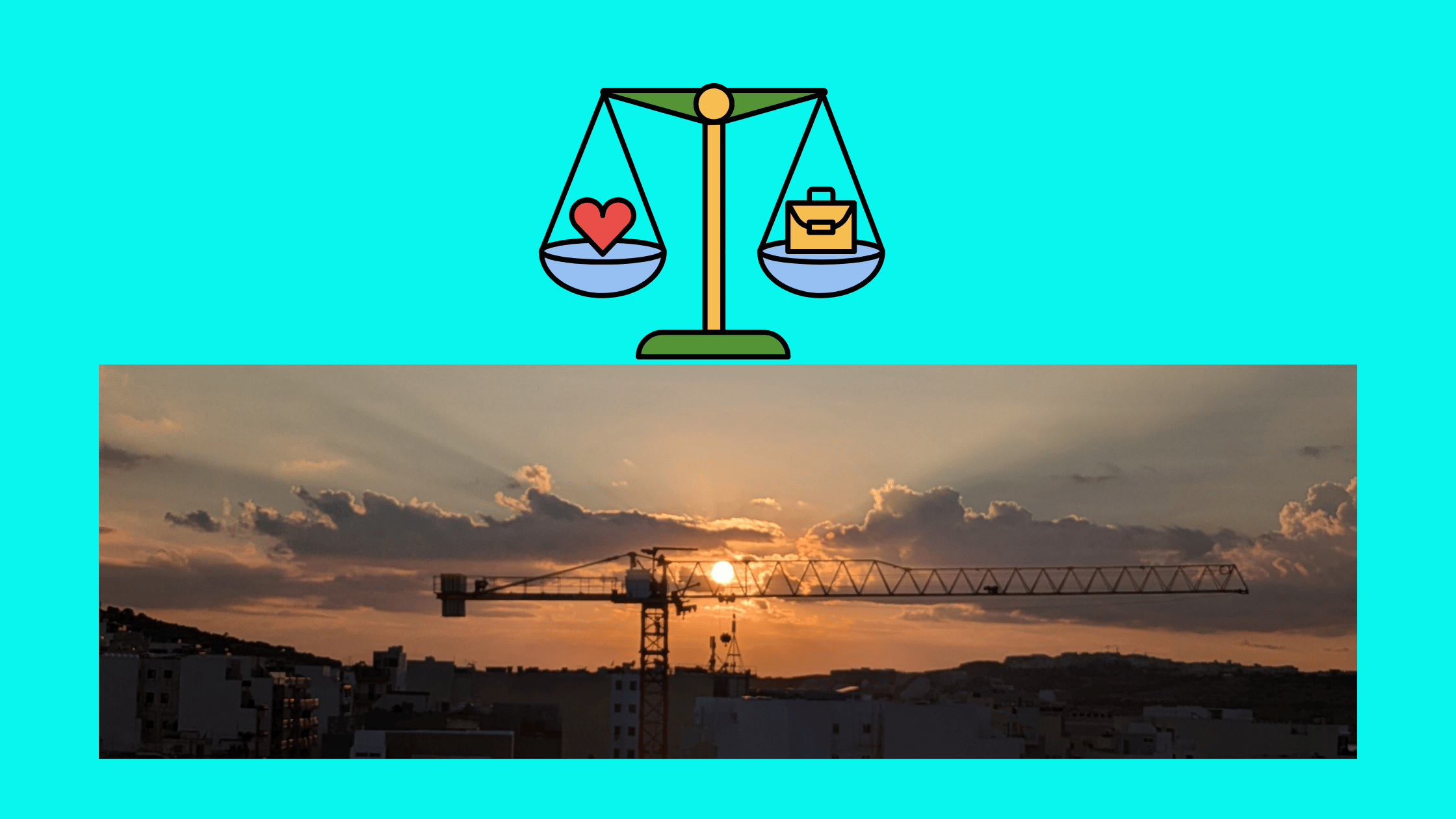
On balance, when you gave your all to the project- what did you give?
- Did you do something new?
- Get something out?
- Did the work you do matter?
- Was it creative?
If you brought art into the world then you filled the world’s cup.
Whatever you do, if you give your all to it, the outcome has to balance the input.
And it doesn’t always. Sometimes we don’t realise it won’t until we’ve put too much in. Sometimes an external factor is added out of nowhere that trips us up.
The only thing to do is keep riding that wave. Look after yourself, and know that your work matters, but you matter more.


Leave a Reply