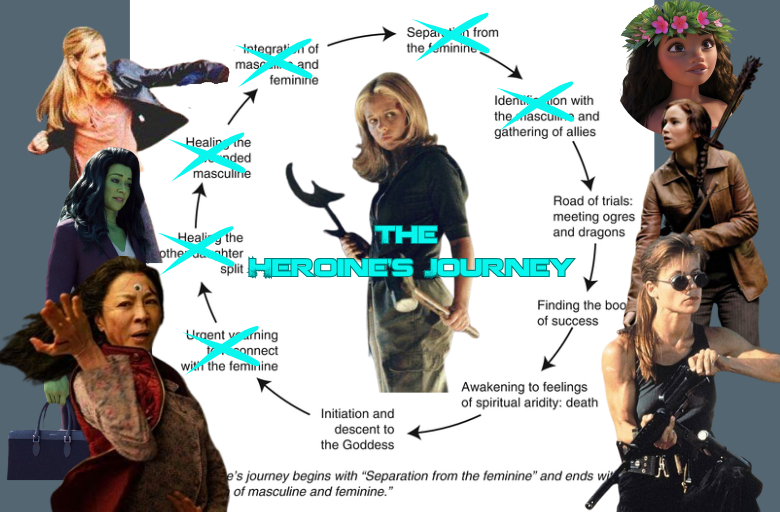

We received a handy guide for how to seperate our treatment into three different acts and develop it from the outline.
A Treatment should:
Should be two pages in length.
Needs to communicate specific important moments that convey character development and narravtive. Making turning points and climaxes clear to the reader.
Avoid information that is too specific, all information needs to be integral to the plot, unless it is imperative there should be no specific dialogue (I ended up using two pieces of dialogue but I feel both were important to convey).
Avoid any directorial description, such as camera angles, or types of cuts. The reader simply needs to know how the story develops as clearly and concisely as possible.
If possible, try to spend approximately a quarter of the synopsis detailing the first act, half on the second act, and then finally another quarter outlining the third act of the concept.
ACT ONE
In the first act you should focus on conveying character, location, arena, and then an inciting incident that builds an obstacle and creates conflict for the main character. We need to be aware of how this conflict affects the main protagonist both externally (objective) and internally (subjective), and how this leads us into the second act, with a first act climax if possible.
SECOND ACT
Develop and extend the dramatic possibilities of this inciting incident, by outlining the consequences and problems now faced by our character.
Create obstacles that directly affect the protagonist’s chief fears and confront their weaknesses. The second act should finish with some kind of reveal or climax that sets up the drama of the third act.
THIRD ACT
The third act should outline the ways in which the main character is able to overcome both their physical and psychological antagonist. Alternatively, the character can be defeated by their antagonist, but we need to see how this occurs.
Advice
it may be useful to outline the key beats of your short film by defining your 15-30 key scenes. You can then write out your synopsis by detailing the content of each of these scenes in separate paragraphs. (I didn’t do this but if you are stuck I can see how it could help!)
You should place your central character in the middle of the narrative, identifying the key characters and the arc of the story, and conveying an emotionally engaging story about the protagonist as s/he tries to reach his or her goal.
The story synopsis is a chance for you to develop your story in a concise way that is developed from the one-page outline. Whilst it must be brief and use description economically, it must also provide the reader with a strong sense of character and plot. However, the following sections offer you the chance to enrich your concept with details that can allow your synopsis to be free of extraneous detail, character back-story and the ‘look’ and ‘feel’ of the idea.