



I’ve been wanting to write this blog post since April this year, when I returned home from a very balanced digital nomad life and went straight into seven different projects. I’m actually writing it from a rather bougie restaurant on the last evening of a working trip abroad. It was intended as a rest break in the sun to celebrate finishing a project, before I go into super rehearsal and promotion mode for The Year Dot. It ended up being almost as much work as in Brighton, UK. The main difference was swimming in the sea daily in September. I rested as…
-
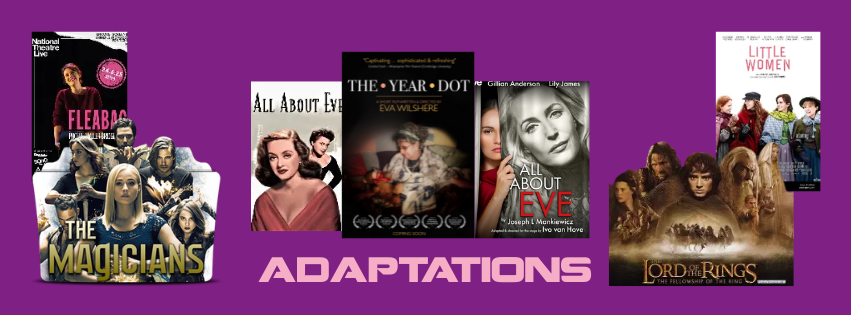
From Page to Screen – and Back Again: Why Some Stories Thrive in Adaptation
There’s something quietly thrilling about a good adaptation — when a story we thought we knew is handed over to a new medium and somehow becomes even more itself. Whether it’s a dense novel stretched out over multiple seasons, a short film finding its voice on stage, or a classic…
-

“Nobody Got Cereal?”: South Park’s Funniest, Saddest Wake-Up Call
With South Park (1997 – present, Trey & Stone) returning this July, there’s no better time to revisit Nobody Got Cereal? — the ManBearPig episode that stopped being satire the minute we all started doom-scrolling climate reports between AI meltdowns, global unrest, and 24/7 misinformation. At first glance, it’s another…
-
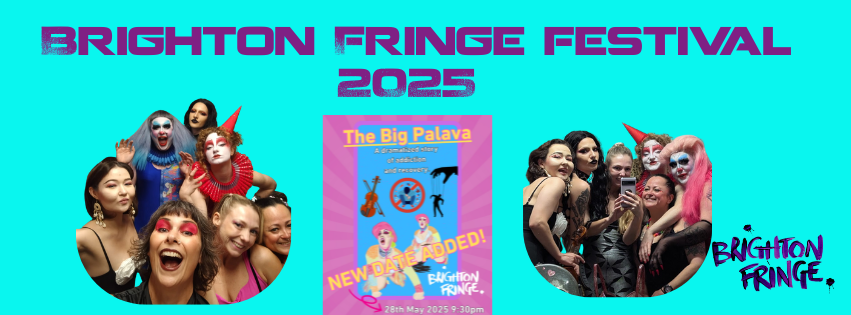
Brighton Fringe Festival 2025
As we move into the vibrant summer months, my focus shifts to performance – with our final performance of The Big Palava tonight. I’m thrilled to once again be part of the dynamic landscape of the Brighton Fringe Festival 2025, celebrating its 20th anniversary and have put together a summary…
-
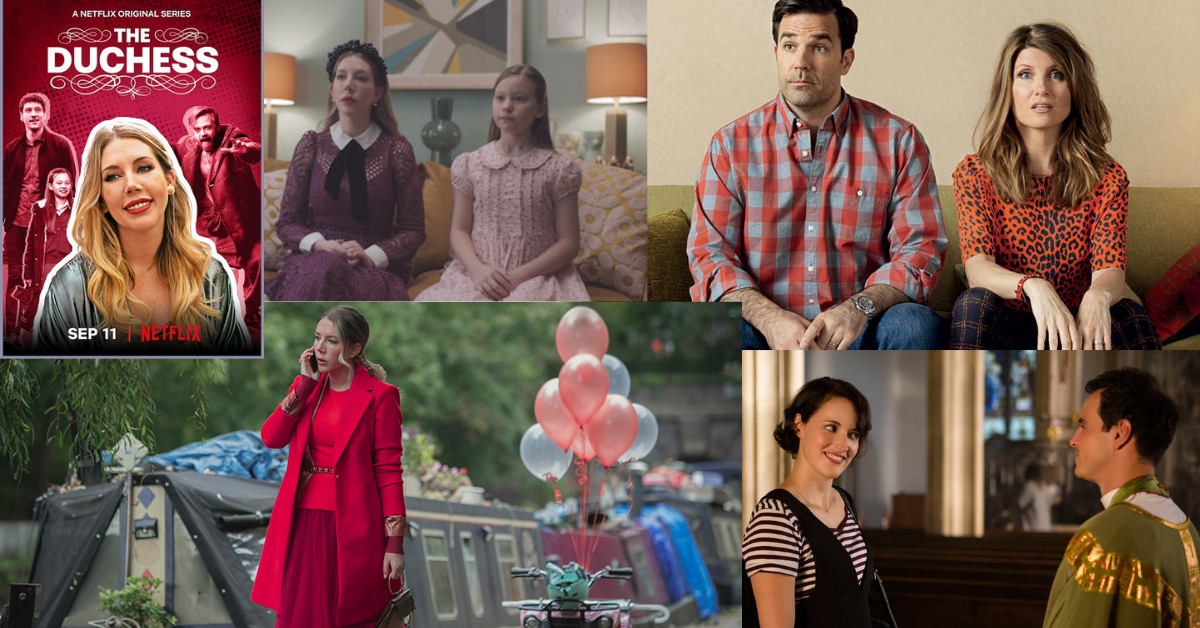
The Duchess – Pilot Episode Review
Punchy parenting, boyband exes, and why I unexpectedly related. The pilot of The Duchess (Ryan, 2020) wastes no time setting the tone: a mother-daughter conversation that’s political, pointed, and hilariously honest. Olive, Katherine Ryan’s sharp-tongued daughter, delivers the kind of truth bombs only a child could get away with —…
-
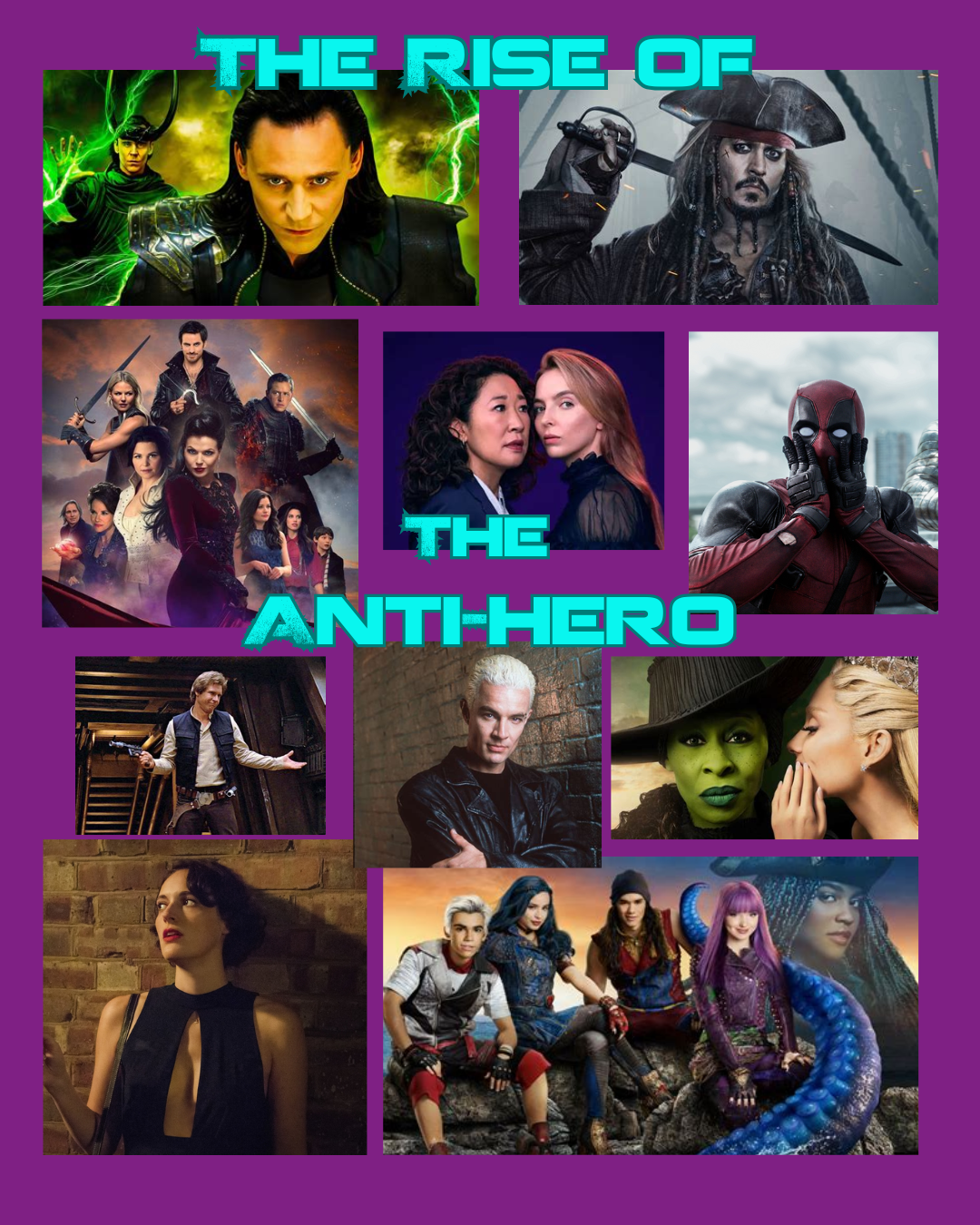
The Rise of the Anti-Hero
When I first started researching archetypes for The Script Department podcast Typecast, I was drawn to the Anti-Hero—a character who’s not quite a villain, not quite a hero, but somehow manages to steal the show. As promised, here’s a deeper dive into why we learn to love these morally ambiguous…
-
How To Format A Screenplay
Are you considering entering your screenplay into a festival or competition, applying for a mentorship scheme, the BBC, or sending your script to any other industry professional? Be it television or film, here’s a comprehensive outline of best practice for formatting your scripts… You can find Scene Headings in the…
- All
- Projects and Ideas
- How To’s
- Life Update
- Research
- Analysing Media
- MA Musings

Brighton fringe Festival 2026
Brighton Fringe 2026 passed in a total blur! Every Wednesday evening, I took the stage with Madame Isolde’s Crazy Zodiac Cabaret followed by a Saturday afternoon appearance in the A Word With The Bird Highlights show. In between gigs, I tackled two script deadlines—successfully hitting one—and even zipped off to teach a yoga-ilates flow at Smallworld Festival. Because of the packed schedule, I couldn’t catch as many fellow performers as usual. However, the shows I did manage to see were absolutely fabulous: My festival viewing kicked off with some brilliant stand-up comedy at Presuming Ed’s. The acts delivered fantastic sets, and I…

2026 Goals: A Filmmaker’s Journey
The New Year always brings a sense of renewal – a chance to shed the old and embrace a racing new start (yes I know it’s April but I’ve had a lot on!). For me, 2026 is about consolidation. I’m taking everything I have learned about filmmaking and screenwriting over the last few years and distilling those lessons into clear goals for the future of Evalution Media. A Look Back to Move Forward Launching this updated website is a significant milestone. Migrating the blog archive gave me a chance to revisit my previous work, some of which dates back to the first…

2025: Transitions
As this year comes to a close, I’ve realised that transition is the word that best sums up 2025. It’s been challenging, joyful, exhausting, expansive – sometimes all at once – and it’s quietly set the foundations for some very big things to come. Looking Back: A Year of Shifts In many ways, I’ve become who I always wanted to be. I’m performing, entertaining, and working across theatre, film and television – both behind the scenes and on screen. That’s something I don’t want to rush past or minimise. Of course, human nature dictates that this is still not quite enough. This year began…

The Heroine’s Journey, Why I Believe It’s Bigger Than Murdock’s Blueprint
When people talk about the Heroine Archetype, Maureen Murdock’s The Heroine’s Journey: Woman’s Quest for Wholeness (1990) inevitably comes up – often treated like the gospel counterpart to Campbell’s Hero with a Thousand Faces, (1949). And look, Murdock contributed something valuable to the conversation. She carved out space for the inner lives of women in myth and modern storytelling, which was missing from Campbell’s original Hero’s Journey diagram. Her framework is also limited. Constricting. And honestly? It doesn’t fully reflect the kinds of heroines we’re writing, or desperately need, today. Let’s get into it. 1. The “Internal = Feminine” / “External = Masculine”…

Buffy the Vampire Slayer and the writing staff dream
I grew up on Buffy, I wanted to write because of it. I love the style of dialogue and the epic world and character building. I even did an interview for the Industry section of my Writing for Script and Screen MA with Jane Espenson! I wanted to be a screen writer because of a TV show that has been off air for over 20 years with no hope of its return, now it’s back with Sarah Michelle Gellar, Gail Berman and Marti Noxon at the helm and an awesome director Chloe Zhao and producer duo Nora & Lilla Zuckman,…