


Stage 1
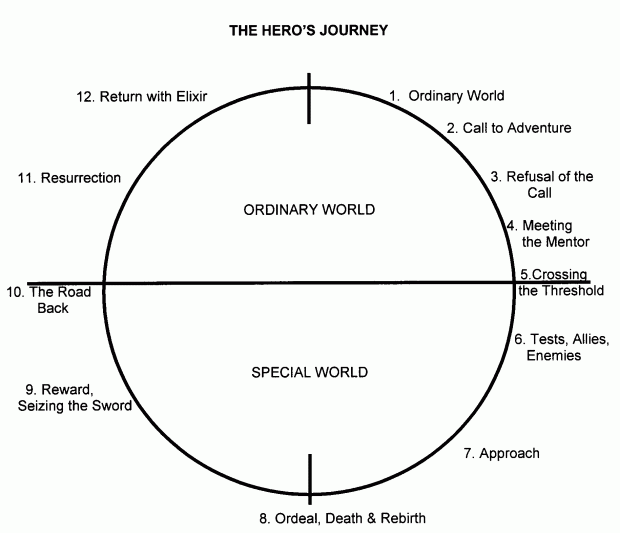
The first stage is the hero in their natural environment. This is self explanatory. Think about Frodo from Lord of the Rings, or Luke Skywalker in Star Wars. At the beginning of the story, these characters live mundane lives in their homes. In Collateral, this could be Max the cab driver going about his day.
Stage 2
Then we have the call to action. This could be the inciting incident, or it could come after the inciting incident – either way, this is the moment when the character is challenged to make a change. For Ree in Winter’s Bone, it is finding out her father has missed his court appearance and that she must find him. But people are not quick to change; for most people change is a frightening thing, so naturally they will refuse the call. Thankfully, there is usually a mentor figure, sometimes a wise older character, who convinces the protagonist to go on their journey. (Mentor is the phone in my film)
Stage 3
Crossing the threshold is a significant stage for the protagonist, who up to this point has most likely never experienced the world in this new way. Now the character is truly on their way to making change. They will be tested, and will inevitably fail. For Ellen Ripley in Aliens, she is initially terrified and her memories of the first encounter with the vicious alien creature, stops her from taking action. It would be uninteresting if she simply jumped into action to save the day. The protagonist meets new allies, but also new enemies that challenge them. They develop new skills, and grow even more as characters. Then they start to have more success, until eventually they undertake the grand trial. This could be Luke and Han Solo rescuing the princess and escaping the Death Star.
After this trial, the character discards their old self in favour of this new identity they have forged. For Luke, this could be becoming a true member of the rebellion. At this point, the protagonist must make the journey home, but along the way there will be one final challenge – remember, it is easy to adopt new skills, to overcome a grand trial, but if you cannot bring these lessons home with you, then it will be for nothing. The character overcomes the final trial, restores order to the world, and takes up a new place in that world.

I find it fascinating that the heroine’s journey is different and mostly about incorporating the masculine and feminine principles. I wonder what would happen if an action or fantasy film with a male protagonist emulated to heroine’s journey (with the masculine and feminine switched) instead of the original hero’s journey?
Hero’s Journey (12 stage – Hollywood film)
Limited awareness of problem
Increased awareness
Reluctance to change
Overcoming reluctance
Committing to change
Attempting big change
Consequences of attempt
Rededication
Final attempt
Mastery of problem


