


*Spoiler Alert*
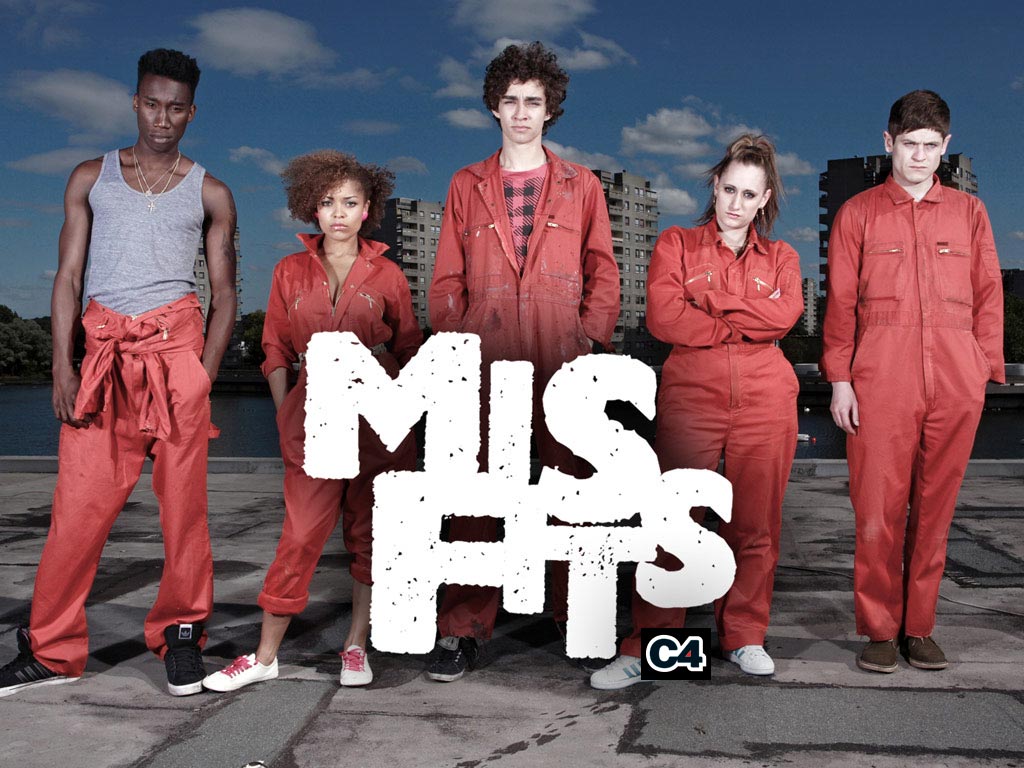
Broadcast on E4. IMDB says Comedy/ Drama/ Sci-Fi/ Fantasy (and Romance, but I would disagree) TV-MA or UK 18 certificate. Realism meets surrealism in a different, very British take on superpowers. I’ll be discussing the themes, tone and narrative in the pilot episode but I will mention the series as a whole (although I don’t think I give away anything drastic so if you’ve not seen it – go watch it!)
The community centre, a beacon of boredom and bureaucracy, is the perfect stage to introduce our motley crew of offenders as they gear up for the thrilling adventure that is community service. Cue eye rolls, bickering, and awkward introductions as the first act sets up the group dynamics and tensions in their all-too-ordinary world. Just when they think it can’t get worse, a supernatural hailstorm crashes down, kicking off the madness. Little do they know, this shared disaster will bond them, giving these outcasts a sense of belonging even as society continues to alienate them.
But I digress.
The story bounces between these young offenders—each bringing their own baggage and bad attitude to the table. Like ‘The Magicians’, the pilot zeroes in on two main characters: Nathan, whose life is in a nosedive after being kicked out of his house, and Kelly, the tough-as-nails ‘hard nut’ who suddenly starts hearing everyone’s thoughts. Spoiler: it doesn’t help her relationships.
These lovable screw-ups are confident that things will somehow go their way—why wouldn’t they? That naïve optimism shines brightest in their relentless teasing of the community engagement worker, whom they’ve unofficially cast as the villain. And, surprise! They’re right. Halfway through the episode, he gains some freaky supernatural powers and turns into a full-blown murderous maniac. In this world, perception is reality—a theme that pops up again and again throughout the series.
The show deftly plays with themes of self-discovery, all while society has already slapped a label on these kids and called it a day. Sometimes the exploration is subtle, other times it comes crashing in like a sledgehammer. Take Simon, for example—his power is invisibility, which is ironic, given how ignored and invisible he already feels. Simon is also the most eager to embrace the “superhero” concept, determined to save people. And with his storyline, the show can’t help but dive into the classic ‘Power and Responsibility’ trope. These so-called delinquents wrestle with what it means to be good or bad, especially when they’re using their powers for both heroic and morally grey purposes. Can redemption exist for people society’s already written off?
Things quickly spiral out of control, with quick cuts jumping between Kelly running for her life and Alisha gleefully recounting her arrest. The tone is naturalistic, but the style has expressionist flashes as the danger ramps up. Kelly and Simon reveal their powers, but, predictably, no one believes them until the now-evil CE worker kicks down the door and starts killing people. Curtis rewinds time (no big deal), and with another believer on board, the group bands together to fight back.
Meanwhile, Alisha’s power—making anyone who touches her uncontrollably attracted to her—is less of a perk and more of a problem. Her discovery of this “gift” comes just as the CE worker busts through the door *again*, but this time Kelly is ready and takes him down. Now, this gang of petty criminals has to deal with the fact they’re also accidental murderers with superpowers. Cue an “Oh crap” moment as they grapple with their lost innocence. Despite their differences, they decide to stick together, bound by their shared chaos.
Authority figures are often flawed in Misfits, with the show questioning and even turning those in power into antagonists. This anti-establishment tone taps into that rebellious energy many older YA audiences are feeling, letting them live vicariously through the Misfits’ screw-ups and lessons learned (sometimes the hard way). Although it first aired over a decade ago, I’m sure it’s still relatable – let me know in the comments if I’m wrong!
Typically, the community engagement worker would serve as their ‘Mentor’ character throughout the series, but since Kelly killed him, a new worker steps in. She’s not just any replacement, though—she’s his fiancée, on a mission to uncover what happened. This “Expert” twist only makes things more complicated, distancing the Misfits from any useful guidance. Now, they’re left fumbling through the chaos with zero explanations for their powers and plenty of confusion.
At its core, Misfits explores adolescence through personal identity, transformation, and power. The characters’ powers are reflections of their need to change or adapt, and the series follows their literal and metaphorical journeys as they try to figure out who they are. It’s more than just a supernatural twist on delinquent youth— Misfits uses humour, violence, and absurdity to tackle themes of redemption, identity, and the nature of power.


