


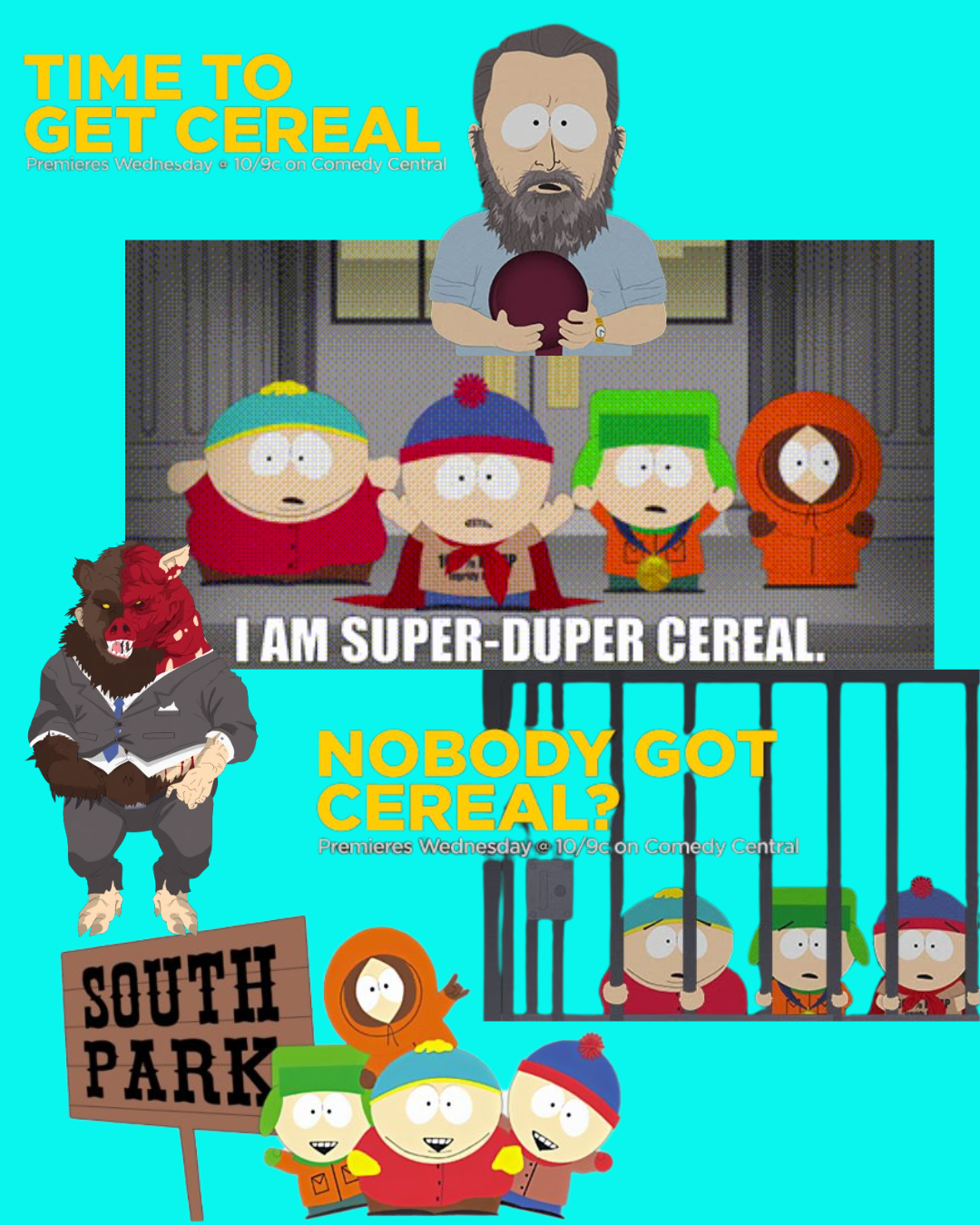
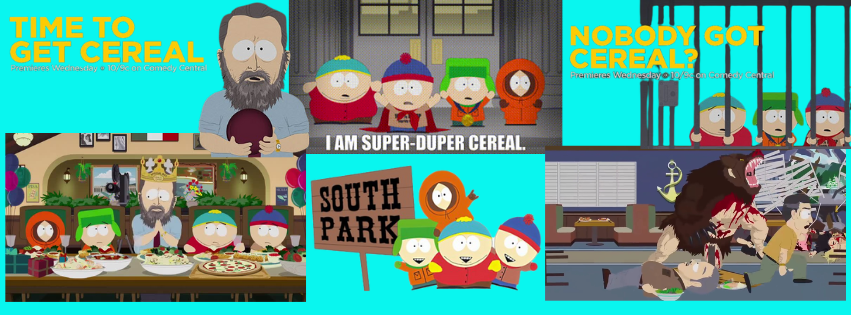
With South Park (1997 – present, Trey & Stone) returning this July, there’s no better time to revisit Nobody Got Cereal? — the ManBearPig episode that stopped being satire the minute we all started doom-scrolling climate reports between AI meltdowns, global unrest, and 24/7 misinformation.
At first glance, it’s another out-there episode — ManBearPig (from season 10, 2006) is real, he’s back, and he’s pissed. But under the surface (and ManBearPig does love hiding under surfaces), this episode is about climate change, generational selfishness, and our collective inability to admit when we’re wrong — even as the world burns.
Part two of a mini-arc (following Time to Get Cereal), this episode leans all the way into horror movie tropes. There’s gore, chaos, and a looming existential threat that no one really wants to face. Sound familiar?
Originally aired in 2018, this follow-up to Time to Get Cereal felt like a dramatic course-correction — an intentional “our bad” to the show’s earlier Al Gore jokes. But now? It feels like a warning we didn’t take seriously enough… again.
Because here we are, seven years later, watching the world deal with real-life ManBearPigs:
🌪️ freak weather patterns,
🛑 governments ignoring red flags,
🔥 tech chaos spiralling faster than anyone expected,
🧓 and a generational blame game that just won’t die.
ManBearPig — once just Al Gore’s punchline — becomes a blunt metaphor for climate change, but also for any catastrophic problem we’ve ignored for too long. He’s not just a monster; he’s a reckoning. And in classic South Park fashion, the kids are the only ones actually trying to deal with it while the adults either make excuses, argue semantics, or die violently in denial.

Boomers, Blood, and Blame X
The real genius of Nobody Got Cereal? is the way it uses over-the-top violence to highlight something deadly serious. When the boys confront the older generation — including Grandpa Marsh — they’re met with defensiveness and “it’s complicated” shrugs. They’re told that deals were made, comforts were secured, and now it’s just too hard to undo any of it.
It’s a brutal, barely-fictional take on how older generations have handled climate inaction: acknowledgement, maybe, but rarely accountability. South Park doesn’t dance around it — it’s saying, loudly, “You knew. You benefited. You chose convenience over consequence.”
And even when Satan himself shows up to help (yes, Satan is on board with climate responsibility now), bureaucracy and ego still slow everything down. There’s no savior coming. Just people either getting involved or getting flattened.
“Why didn’t anybody do anything?”
The final gut-punch is in the quiet, post-chaos reflection. The town is bloodied, traumatized, and still not entirely convinced they need to change. And then there’s Al Gore — the former joke — now the tragic Cassandra who was right all along.
By revisiting and reframing one of its most controversial punchlines, South Park does something few shows dare to do: admit it got something wrong, and use that misstep to tell a bigger truth.
If the original ManBearPig metaphor was about climate change, he now symbolises the full existential buffet. And just like in the episode, we’re still watching the adults in the room either argue about definitions or throw up their hands and say, “It’s complicated.”

Global Manbearpig and Streaming Wars
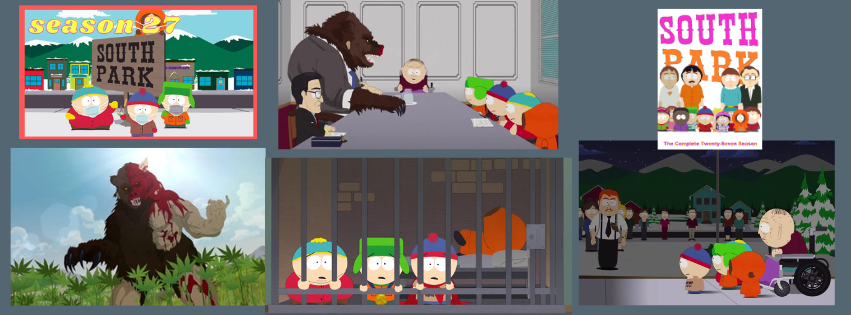
If Nobody Got Cereal? was South Park’s climate reckoning, The Streaming Wars specials take the metaphor global — and even more absurd. Here, water rights become literal “streaming services,” and the race to monetize dwindling resources mirrors both climate collapse and the chaos of content capitalism.
Corporate greed floods the narrative (sometimes literally — with pee), while Tegridy Farms sells out, Cartman schemes from a hot dog house, and celebrity crypto shills push fake solutions. South Park fires at all cylinders, sometimes this two-parter feels like it could have been an entire season, with so much sh*t going on. One can imagine that’s how many North Americans feel right now.
In a world (not so far from our own) where environmental collapse is just another branding opportunity, and billionaires flood the market (and the world) for profit. Once a symbol of climate denial, ManBearPig now moves through a world of crypto-hype, resource hoarding, and greenwashed greed. If the last special was an apology, the next might be a eulogy — or a war cry. Because in South Park’s world, the real monsters don’t hide in caves — they buy rivers and sell us our own survival by subscription.
N.b I love that Randy goes back to being a geologist and that Cartman’s mum finally holds her ground!
Why It Hits So Hard
It forces the audience to sit with guilt — not as a side effect, but as the point. It dares to turn a punchline into a plotline with real emotional weight. There are no easy fixes, no tidy resolutions — just the queasy realization that denial has mutated into dysfunction, and the joke’s gotten way too real. And yet it’s still, somehow, painfully funny — because South Park knows that sometimes, absurdity is the clearest lens we have.
The show has never shied away from swinging at big targets, but lately, it’s asking bigger questions too. Less chaos for chaos’ sake, more: Why are we like this? Who profits from the mess? In a world where climate collapse gets rebranded as “opportunity,” and corporations sell solutions to problems they helped create, ManBearPig is no longer the only monster in town — just the loudest one still knocking.
So with a new season looming and the world feeling more South Park than ever, I think we all desperately need to laugh at this ridiculous situation (so we don’t cry!). If Nobody Got Cereal? was the apology, and Streaming Wars the corporate reckoning, maybe this season is where the gloves come off — or the void screams back.
Either way, I’m here for it. ManBearPig’s still here. And he’s not alone.


